
This website uses Google Translate
You cannot use this feature without first accepting 3rd Party Cookies.
This website uses Google Translate
You cannot use this feature without first accepting 3rd Party Cookies.
You cannot use this feature without first accepting 3rd Party Cookies.
You cannot use this feature without first accepting 3rd Party Cookies.

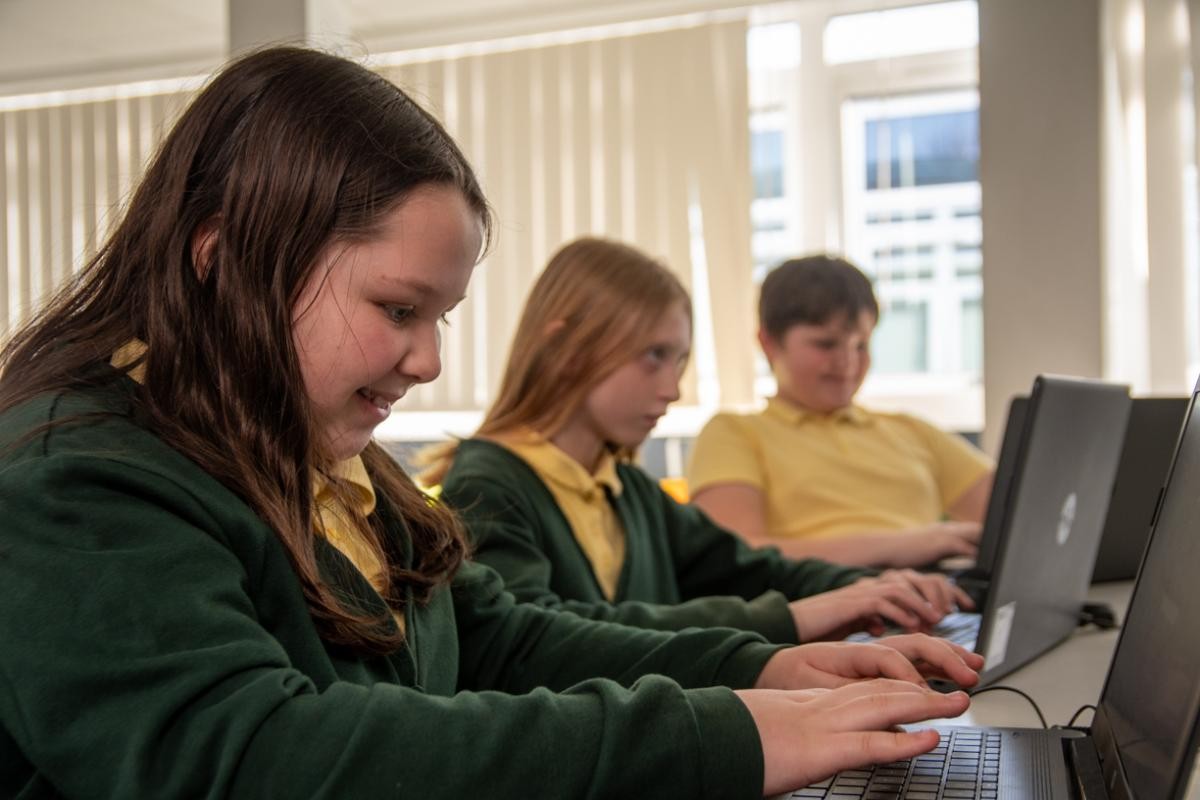

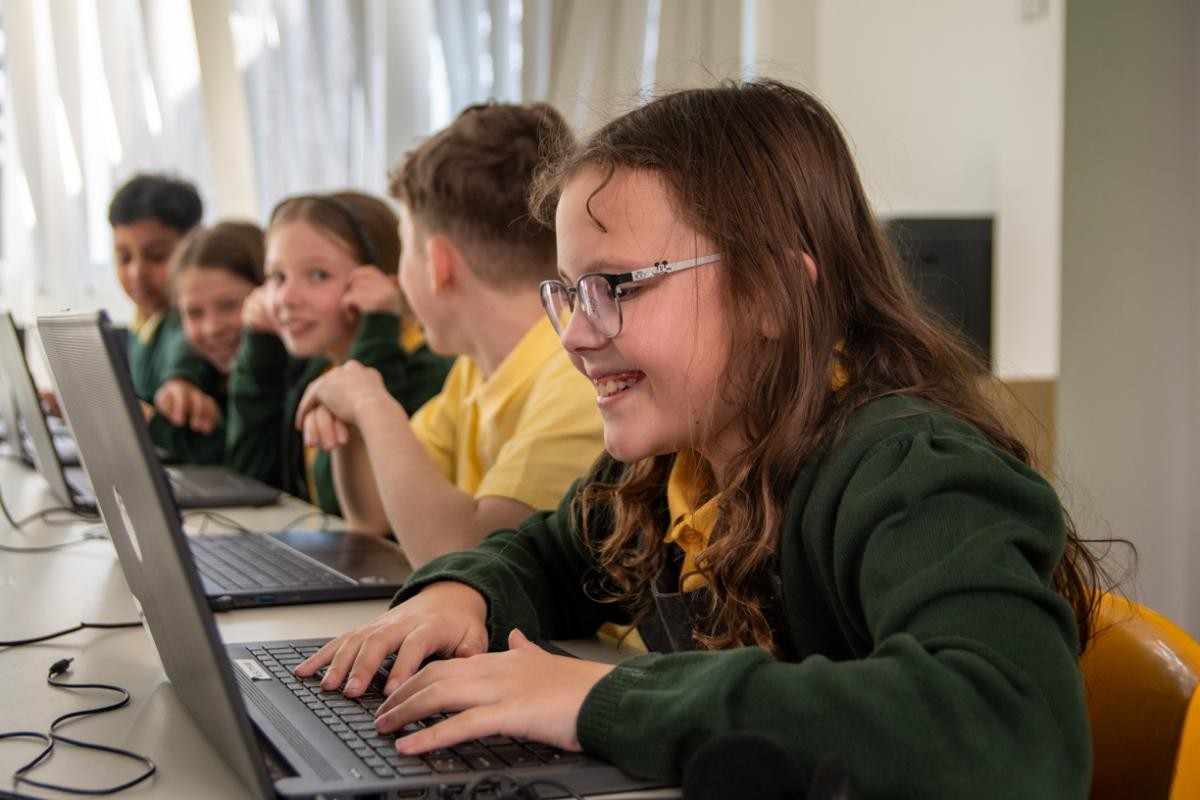
At Woodloes School, we take every opportunity through Computing lessons, assemblies, and online safety education within the curriculum to ensure our children are well equipped to keep themselves safe online and to support their peers in doing so. However, we recognise that a significant portion of their online engagement occurs outside of school hours, where crucial lessons can sometimes be overlooked.
In light of this, we have compiled succinct pieces of online safety guidance aimed at assisting parents. Collaborative efforts between school and home are vital in fostering a safe online environment for our young people.
The first theme we address is social media, which has become an increasingly integral aspect of many children’s lives. Social media platforms offer both opportunities for self-expression and challenges related to privacy, cyberbullying, and inappropriate content. We encourage parents to engage in open discussions with their children about their online interactions, fostering an environment where young people feel comfortable sharing their experiences and concerns.
By maintaining an ongoing dialogue and implementing strategies for responsible online behaviour, we can work collectively to safeguard our children in the digital realm.
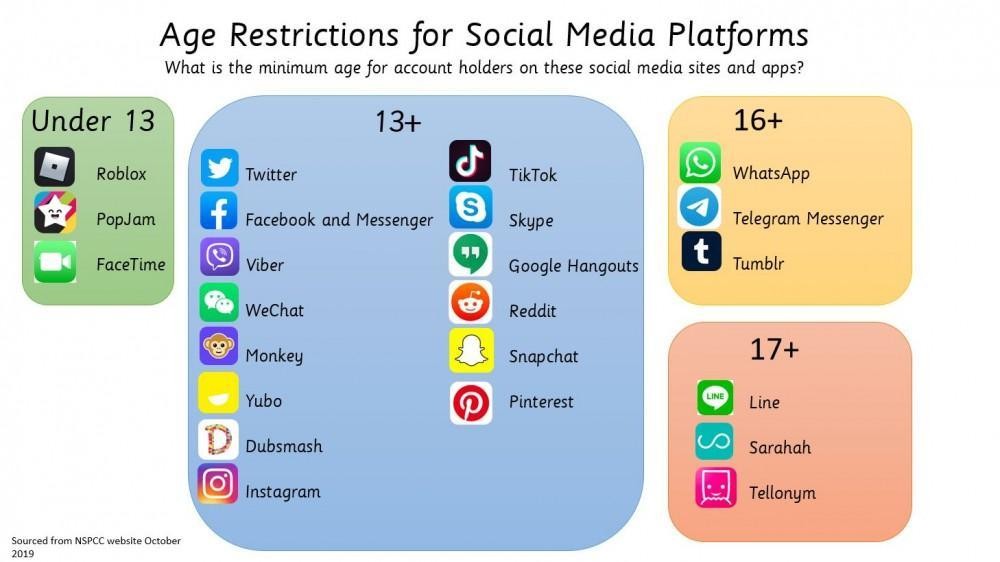
You may be contemplating the appropriate age for your child to establish a social media account or harbouring concerns if they are already engaged with these platforms. It is essential to acknowledge that the majority of social media services stipulate a minimum age of 13 years for users to register. This age restriction is intended to safeguard children's online experiences and promote responsible use of social media. Therefore, it is prudent to evaluate your child's maturity, understanding of online safety, and ability to navigate the potential risks associated with internet interactions before granting permission to join social media networks.
For advice and guidance, read Is your child ready for social media?
Most young people have positive experiences socialising online but it can be easy for young people to share things or post things online which in retrospect they wish they hadn’t. The simplest way to have information about your child removed from a website or app is to contact the site itself. Read reporting to social media sites for more information on how to do this.
This year, our school has focused on equipping students with vital advice regarding online safety. We have emphasised the importance of making informed choices while engaging with various digital platforms and outlined appropriate steps to take should they encounter difficulties or make regrettable decisions. It is crucial that parents engage in discussions with their children about their social media usage, ensuring they comprehend the necessary precautions to safeguard themselves online. By fostering open communication, we can collectively empower our young people to navigate the digital landscape with confidence and resilience. Thank you for your continued support in this essential area.
Other useful links:
Parents guide whose children are using social media
What parents need to know about TIKTOK
What parents need to know about Facebook
What parents need to know about Facebook Messenger
What parents need to know about Snapchat
What parents need to know about Group Chats
Online games are social activities, and most have features that allow young people to chat with others whilst they play. For information about the positives of gaming, the risks of ‘in-game chat’ and measures you can take to help protect them, watch this short video: In-game chat: a guide for parents
The PEGI (Pan European Game Information) rating system can be a useful tool to help you decide what online games are appropriate for your child.
For more information on the PEGI system and other factors to consider before deciding what’s suitable, read Gaming: what's appropriate for your child.
Gaming is popular with both children and adults and can help to cure that lockdown boredom! If your child is gaming, you may have some questions about how to keep them safer. If so, check out – Gaming: what parents need to know.
For a guide on the apps, sites and games your child might enjoy, visit: Net Aware.
Other useful links:
What parents need to know about ROBLOX
Live streaming is now a very popular feature of many apps and platforms and all you need to livestream is an internet-enabled device like a laptop or a smart phone.
If your child enjoys livestreaming, you may want to read A short guide to livestreaming to find out more about it and help your child have a positive online experience.
Over the past few months, many young people will have watched a livestream, or taken part in a video chat. Livestreaming can be a fun and enjoyable online activity for young people and can benefit them socially and educationally if done safely.
If you want to know more about livestreaming, the risks and safe use, watch this short video or download this quick guide to livestreaming.
Young people often share images or ‘selfies’ and there is potential for some of those to be inappropriate or explicit images.
If your child enjoys being online and uses social media apps, games and more, it’s important you know how to protect their personal information and support them to make safe choices about what they share online.
Personal Information: a guide for parents / carers is an excellent articles which provide useful tips on how best to support your child.
Some of the most popular apps, sites and games are designed to make it easy to share information online. But once information is shared, you can never be sure who has seen it, saved it or shared it even further.
If your child has shared something online they wish they hadn’t – don’t panic. Read my child has shared too much online for advice on how to support your child.
Parental controls: Parental controls have been designed to help you manage your child’s online activities. There are various types, some of which are free but others which can be bought. However, nothing is totally fool proof so they shouldn’t replace the need for you to support and advise your child using the internet. For more information and step by step instructions on setting up parental controls, visit Parental Controls and Privacy Settings Guides - Internet Matters.
Have an ongoing conversation: Continue to talk about the apps, games and sites they like to use, and what they like and don’t like and any concerns about being online. Discuss with them when to unfollow, block or report. For help starting this conversation, read having a conversation with your child.
Be non-judgemental: Explain that you would never blame them for anything that might happen online, and you will always give them calm, loving support.
Make sure they know where to go for support: Remind your child they can always speak to you or an adult they trust if anything happens online that makes them feel worried or upset. For a breakdown of reporting services, visit: supporting your child with reporting unwanted content online.
Make sure they know about NCA CEOP: Young people can report a concern about grooming or sexual abuse to NCA CEOP at https://www.ceop.police.uk/safety-centre/ and get support from a specialist Child Protection Advisor.
Talk about how their online actions can affect others: If your child is engaging with peers online, remind them to consider how someone else might feel before they post or share something. If they are considering sharing a photo/video of somebody else, they should always ask permission first.
Tell them about Thinkuknow: Our websites provide open and honest guidance for young people on friends, relationships and the internet, covering topics like dealing with pressure, consent, and getting support when you’re worried. Visit our https://www.thinkuknow.co.uk/ for age appropriate information.
Direct your child to age-appropriate information about relationships and sex: It’s natural for young people to start exploring their sexual feelings online and adolescents are more inclined to take risks. It’s important to understand this and to talk to your child in a positive, encouraging and safe way. Thinkuknow, Brook, The Mix and Childline all provide age-appropriate information about relationships and sex that you can signpost your child to.
Useful Links
https://www.nspcc.org.uk/keeping-children-safe/online-safety/
https://www.ceop.police.uk/Safety-Centre/
Cyberbullying Conversation Starters - 6 - 10 year olds
Cyberbullying Conversation Starters - 11 - 13 year olds
10 things parents need to know about cyberbullying